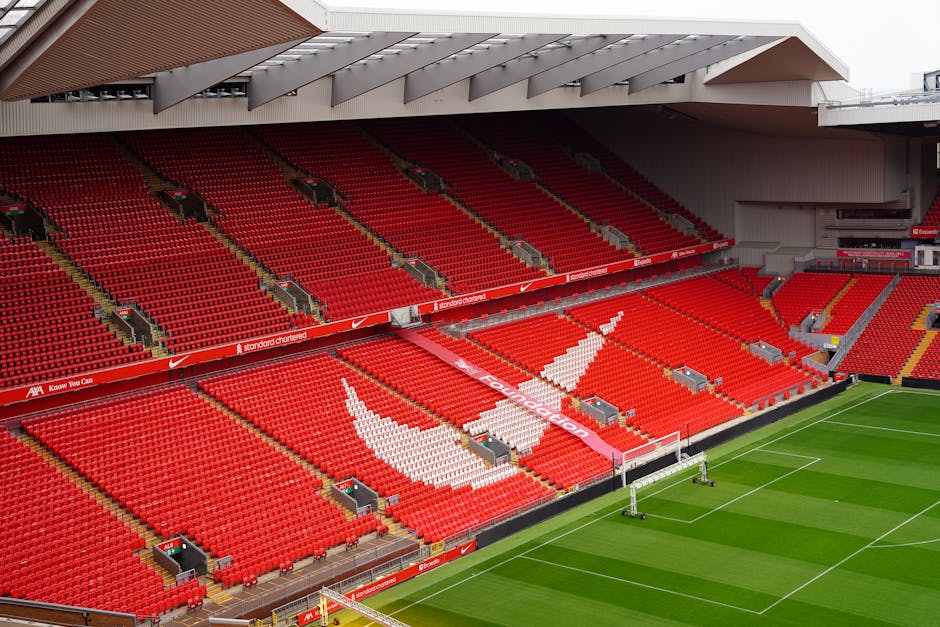
Vicarage Road Event Cleaning Services for Watford Venues
When a venue near Vicarage Road fills up, the cleaning challenge starts long before the last guest leaves. Muddy footwear, spilled drinks, sticky floors, bin overflows, toilet queues, food debris, confetti, cigarette litter outside, and the all-too-familiar "someone dropped a sauce and didn't mention it" moment all add up fast. That is exactly why Vicarage Road event cleaning services for Watford venues matter: they keep the site presentable, safe, and ready for the next crowd, often on a very tight turnaround.
Whether you manage a hospitality space, organise corporate functions, run a community venue, or support matchday operations, event cleaning is not just about making things look tidy. It protects reputation, reduces slip risks, supports smoother operations, and helps your team breathe a little easier after a busy night. In this guide, we'll walk through how event cleaning works, what to expect, what can go wrong, and how to plan it properly without overcomplicating the whole thing.
Practical takeaway: the best event cleaning is usually the kind people do not notice. Guests arrive, everything feels fresh, and the venue just works. Simple on paper. Not always simple in real life.
- Why it matters
- How it works
- Key benefits
- Who needs this
- Step-by-step guidance
- Expert tips
- Common mistakes
- Tools, resources and recommendations
- Law, compliance and best practice
- Options and comparison
- Real-world example
- Checklist
- Conclusion
- Frequently asked questions
Why Vicarage Road event cleaning services for Watford venues Matters
Vicarage Road is a busy, high-traffic part of Watford, and events in the area often come with compressed schedules, mixed crowd types, and pressure to hand the venue back quickly. That makes cleaning a core operational task rather than a final afterthought. If you leave it too late, the mess gets embedded. Carpet fibres trap grime, hard floors become tacky, and toilets start looking tired fast.
There is also the practical reality of first impressions. A spotless entrance, clean glass, fresh-smelling interiors, and clear waste collection points tell visitors that the venue is being run properly. People tend to forgive a lot at a lively event, but not a grimy bathroom or a sticky dance floor. Let's face it, nobody remembers the flower arrangement if the carpet smells like last night's lager.
For Watford venues, event cleaning also matters because different events create different residues. A football crowd leaves wet footfall, food wrappers and outdoor litter. A corporate launch may leave coffee spills, print waste and delicate surfaces that need careful handling. A wedding or private celebration often creates mixed surface cleaning needs, from upholstery spots to floor restoration. The cleaning plan has to match the event, not just the venue.
Some venues also benefit from connected services that support event readiness. For example, if an event leaves carpets looking tired, steam carpet cleaning can be useful for deeper refreshes, while hard floor cleaning is often essential where foot traffic is heavy. If the space includes meeting rooms or back-of-house areas, commercial cleaning helps keep the wider operation consistent, not just the event space itself.
How Vicarage Road event cleaning services for Watford venues Works
Good event cleaning is usually built in stages. The exact setup depends on the venue and the size of the event, but the overall process is fairly consistent: assess, plan, clean, reset, and check. The key is timing. Cleaning before an event is not the same as cleaning after an event, and the best providers understand that difference immediately.
Before the event, the cleaning team may focus on presentation. That can include wiping down surfaces, vacuuming carpets, polishing hard floors, cleaning windows, checking toilets, and ensuring bins are emptied and lined. In venues where public-facing areas matter a lot, window cleaning can make a surprising difference. A clear entrance or gleaming internal partition gives the whole venue a more cared-for feel.
During an event, some venues need discreet support. This might mean toilet checks, spill response, bin changes, and restocking consumables. The point is not to interrupt the guest experience. It is to stop minor issues from turning into bigger ones. A small puddle near a bar, for instance, can become a slip hazard in no time. That is where calm, responsive cleaning matters.
After the event, the work becomes more intensive. Waste is removed, floors are swept and mopped, carpets are treated where needed, toilets are sanitised, and any stubborn marks are tackled. For soft furnishings, upholstery cleaning may be needed if guests have transferred food or drink onto chairs and banquettes. If a venue has a lounge or hospitality suite with fabric seating, that can be one of the first areas to show wear.
Most event cleaning providers will also coordinate with venue management on access times, security procedures, alarm details, storage space for equipment, and waste handling. It sounds administrative, and it is. But honestly, a clean handover usually starts with boring details. Boring details save headaches later.
Key Benefits and Practical Advantages
The benefits of event cleaning are not abstract. You can usually see them, smell them, and feel them underfoot. That is part of what makes this service so valuable for venues around Vicarage Road and the wider Watford area.
- Better guest experience: clean surroundings make events feel organised and polished.
- Lower safety risk: spill control, waste removal, and floor cleaning help reduce slips and trips.
- Faster turnover: when the clean-up is planned properly, the venue can reset more quickly for the next booking.
- Stronger reputation: people notice when toilets are fresh, floors are clean, and the space feels cared for.
- Less pressure on staff: in-house teams can focus on operations rather than wrestling with post-event mess.
- More consistent standards: professional cleaning brings a repeatable process, which is especially useful for recurring events.
There is also a hidden advantage: better maintenance over time. Regular event cleaning prevents build-up in carpet pile, grout lines, corners, and upholstery seams. If you ignore event-related dirt for too long, you often end up needing a more disruptive deep clean later. That is not ideal when you've already got a packed calendar.
For some venues, it makes sense to combine event cleans with routine upkeep. A venue that also uses regular cleaning or one-off cleaning services tends to stay in better shape between major bookings, which is usually easier on budgets and staff morale too.
Who This Is For and When It Makes Sense
This kind of cleaning is not just for stadium-style spaces. In practice, it is relevant to a surprisingly broad mix of Watford venues. If you host groups, move people through a building quickly, or rely on public-facing presentation, you probably need a plan for event cleans.
- Hospitality venues: bars, function rooms, lounges, and reception spaces.
- Corporate venues: conference rooms, training spaces, and product launch locations.
- Community venues: halls, clubrooms, and event spaces used for private functions.
- Sports and fan-facing sites: high-traffic spaces with food service and frequent footfall.
- Multi-use properties: venues that switch between meetings, celebrations, exhibitions, and public events.
It also makes sense when the event itself is likely to create a specific kind of mess. Think wet weather, lots of catering, long guest dwell times, drinks service, or a programme that runs late into the evening. One wet Saturday can be enough to make the entrance look a bit grimy by half-time. That's just how it goes.
Venues with carpets, fabric chairs, and high-gloss flooring often need extra attention because each surface behaves differently. A carpet can hide dirt until it doesn't. A polished floor shows streaks immediately. Upholstery holds odour longer than most people expect. And windows? They seem to collect fingerprints almost out of spite.
Step-by-Step Guidance
If you are arranging event cleaning for a Watford venue, a clear process helps you avoid missed tasks and last-minute panic. Here is a sensible way to approach it.
- Assess the venue and event type. Look at floor types, toilets, seating areas, entrance points, waste volume, and whether catering or bar service will be involved.
- Map the cleaning priorities. Decide what must be done before the event, what can be managed during it, and what will be left for after the guests go.
- Set the timings. Build in enough room for cleaning without clashing with deliveries, setup crews, or security checks.
- Identify high-risk areas. Entrances, stairwells, toilets, food service counters, and any place where spills or congestion are likely should be marked out early.
- Choose surface-specific methods. Carpets, upholstery, windows, and hard floors all need different treatment, and forcing one method everywhere is usually a mistake.
- Check the handover process. Decide who opens up, who signs off the clean, and how issues are reported if something extra is found.
- Review after the event. A short debrief helps improve the next clean. Was there more litter than expected? Did one toilet area need extra attention? Did the entrance need a second mop-down? That kind of thing.
If your venue hosts repeat events, keep notes. Even a basic checklist from the previous booking can save time. It sounds minor, but the second or third event after a good system is usually where everything starts to feel much smoother.
What a good handover usually includes
In a practical setting, a proper handover will often include access instructions, key contacts, waste collection arrangements, and any areas that require special care. If you are dealing with fabric seating or carpets, it may also help to flag possible spot-treatment needs in advance, especially where drink spills are common. A specialist can then bring the right approach, rather than guessing on the day. Guessing is rarely a winning strategy.
Expert Tips for Better Results
After enough event cleans, a few patterns become obvious. The venues that stay cleaner for longer usually do the simple things well. Not glamorous, but effective.
- Protect entrances first. Mats, clear signage, and quick sweep routines reduce the amount of dirt tracked inside.
- Deal with spills immediately. Even a small drink spill can spread or stain if left until later.
- Separate waste streams where possible. General waste, recyclable packaging, and food waste should not all end up in one open pile.
- Use the right product on the right surface. A strong cleaner on the wrong finish can do more harm than good.
- Focus on touchpoints. Door handles, bannisters, taps, tables, and counters are small details that guests notice subconsciously.
- Plan for odour control. Busy events can leave behind food smells, damp clothing smells, or stale drink residue. Fresh air and proper cleaning help.
One tip people often overlook: build a little buffer time before the next booking. If the clean runs straight into another event, standards drop. Even fifteen extra minutes can help. Sometimes it is the difference between "fine" and "actually looks ready."
For venues with lots of textile surfaces, linking event cleaning with curtain cleaning, sofa cleaning, or broader deep cleaning can be a smart move after a busy season. That sort of joined-up approach tends to work better than treating each issue in isolation.
Common Mistakes to Avoid
Event cleaning looks straightforward until the small mistakes start stacking up. A few of the most common ones are easy to avoid once you know what to look for.
- Leaving the clean too late. If the team starts after everything has been packed away, the pressure rises and small tasks get missed.
- Underestimating waste volume. Events produce more rubbish than expected. Always plan for more bins and more bag changes than you think you need.
- Using one generic approach for every surface. Carpets, hard floors, glass, fabric, and toilets need different treatment.
- Ignoring outside areas. Entrance steps, smoking areas, patios, and bin points often become the first visible mess after an event.
- Forgetting access details. A team arriving without the right access instructions loses time immediately.
- Skipping a post-event inspection. A quick walk-through catches details that a busy crew may miss in the rush.
There is also the issue of tone. Some venues ask for a "quick tidy" and then discover they actually needed a more serious clean. The reverse happens too. Being precise at the start avoids awkward conversations later. Not perfect, just precise.
Tools, Resources and Recommendations
The right tools make event cleaning faster and more reliable. You do not need to obsess over equipment, but the basics matter a lot.
- Microfibre cloths and colour-coded cloth systems for better hygiene control.
- Wet vacuums or extraction tools for spill recovery and heavier moisture removal.
- Floor mops and scrub systems suited to the surface finish.
- Carpet and upholstery equipment for soft surface refreshes after heavy footfall or food service.
- Bin liners, waste sacks and spare containers to manage sudden volume spikes.
- Spot-treatment products for stains, marks and odour issues.
From a service planning point of view, it can also help to look at related venue support services rather than only the event clean itself. For example, some venues use commercial carpet cleaning to keep guest areas fresher across a full event season. Others pair venue turnover with office cleaning or communal area cleaning where the building has shared entrances and back corridors.
If you are comparing providers, look for evidence of process rather than flashy promises. Clear communication, sensible scheduling, and a practical understanding of event spaces count for a lot. So does flexibility. Events rarely run exactly to plan, and the cleaning team should understand that without drama.
Law, Compliance, Standards, or Best Practice
For venues in Watford, event cleaning usually sits within broader workplace and venue management responsibilities. Exact duties will depend on the site, the event type, and how the venue is run, so it is wise to treat compliance carefully rather than casually.
In everyday terms, the main best-practice themes are straightforward: reduce slip and trip hazards, manage waste properly, use safe cleaning methods, protect staff and visitors, and keep access routes clear. If cleaning is happening around large crowds or after-hours operations, communication becomes part of safety too. A doorway blocked by equipment or a wet floor without warning is an avoidable problem.
Where venues have their own internal policies, it helps if the cleaning provider can work with them. That may include site induction, incident reporting, safety briefings, and agreed procedures for restricted areas. If you want to understand how a provider approaches these issues, reviewing a company's health and safety policy and insurance and safety information is a sensible starting point.
For organisers, data handling and customer-facing administration also matter. Booking details, access codes, and operational notes should be handled carefully. It is not glamorous, admittedly, but venue work rarely is. If you are checking booking terms or payment processes, useful pages like payment and security and terms and conditions can help set expectations clearly.
And if sustainability is part of the venue's brand or procurement standard, waste reduction and recycling should be built into the cleaning plan rather than treated as an extra. A sensible provider should be able to work in line with recycling and sustainability principles without making a fuss about it.
Options, Methods, or Comparison Table
There is no one-size-fits-all method for event cleaning. The right approach depends on the event size, surface mix, timing, and how quickly the venue needs to reset. Here is a simple comparison to make the decision easier.
| Approach | Best for | Strengths | Limitations |
|---|---|---|---|
| Basic turnaround clean | Small meetings, light social events, low litter volume | Fast, efficient, cost-conscious | Not ideal for heavy footfall or spill-heavy events |
| Enhanced event clean | Medium-sized functions, hospitality evenings, mixed use venues | More thorough coverage, better presentation, improved hygiene | Needs more time and better planning |
| Deep post-event clean | Large events, wet weather crowds, food-led functions, long hire periods | Best for stubborn dirt, odour control, reset quality | More resource-intensive and may require downtime |
| Scheduled recurring cleaning | Venues with regular bookings and high guest turnover | Prevents build-up, keeps standards consistent | Requires commitment to a routine |
For many Watford venues, the smart move is a blended model. Light events may only need a short post-use clean. Bigger ones may need a deeper reset involving carpets, floors, upholstery, and glass. A venue that gets this right can avoid paying for a heavy clean every single time, which is usually a relief to the budget holder.
Case Study or Real-World Example
A practical example helps here. Imagine a function space near Vicarage Road hosting a late-afternoon business event followed by a private evening reception. The room has carpeted seating areas, hard floors near the bar, glass entrance doors, toilets off the main hall, and a side exit leading to a small outdoor smoking area.
Before the event, the team would focus on presentation: vacuuming the carpet, polishing the entrance area, wiping tables, checking the toilets, and cleaning the glass doors. During the event, they might do spot checks on bins and toilets so the space never looks overwhelmed. After the event, they would remove waste, treat drink spills, mop the hard floor, refresh the toilets, and inspect soft furnishings for stains or odours.
Now here is the bit people often miss: the post-event inspection may reveal that the outdoor exit has picked up more litter than the main hall. Wind tends to do that. The solution is not to panic. It is to adjust the plan next time by adding a second bin point or a more frequent perimeter sweep.
In a venue like this, the cleaning plan may also need to stretch beyond the obvious event footprint. If chairs or sofas were heavily used, sofa cleaning or broader stain removal support can be the difference between "tidied" and "properly reset." And if the venue has a carpeted lounge or reception area, a post-event refresh through carpet cleaning can make the space feel much fresher the next morning.
The real lesson? A good cleaning plan is rarely about perfection. It is about anticipating the mess you know will happen, and the little bits you would rather not think about until they appear.
Practical Checklist
Use this checklist to plan event cleaning for a Watford venue without missing the essentials.
- Confirm event finish time and access windows for cleaning.
- Map high-traffic zones: entrances, toilets, bars, halls and exits.
- Identify surface types that need special treatment.
- Agree waste collection and bin replacement arrangements.
- Set spill-response procedures for drinks and food accidents.
- Check whether carpets, upholstery or hard floors need specialist attention.
- Plan internal and external litter sweeps.
- Make sure cleaning equipment can be stored and moved safely.
- Confirm who signs off the final handover.
- Build in time for a quick inspection after the clean.
- Review what worked well and what should change next time.
If the venue has recurring events, keep the checklist in a working file and update it after each hire. That little habit can save time, money, and a fair bit of stress. Honestly, it's one of those unexciting things that pays off repeatedly.
Conclusion
Vicarage Road event cleaning services for Watford venues are about much more than sweeping up after a crowd. They support safety, protect presentation, reduce pressure on staff, and help venues handle a busy event schedule without cutting corners. Whether you are managing a single private function or a packed calendar of public and corporate bookings, the right cleaning plan keeps the venue ready for what comes next.
The strongest results usually come from clear expectations, sensible timing, surface-specific cleaning methods, and a team that understands how real events behave. Spills happen. Weather gets involved. Guests leave earlier or later than planned. A good cleaning setup takes all of that in stride.
At the end of the day, a well-cleaned venue feels calmer, more professional, and easier to work in. And that calmness spreads. Staff notice it. Guests notice it. You notice it.
Get a free quote today and see how much you can save.
Frequently Asked Questions
What do Vicarage Road event cleaning services for Watford venues usually include?
They usually cover waste removal, floor cleaning, toilet cleaning, spill response, surface wiping, bin changes, and a final handover check. Some venues also need carpet, upholstery, or window cleaning depending on the event.
Do I need event cleaning before and after the event?
Often, yes. Pre-event cleaning helps the venue look ready and feel safe. Post-event cleaning deals with the practical mess and resets the space for the next booking. For some venues, a light mid-event check is useful too.
How far in advance should I book event cleaning in Watford?
As early as you can, especially for busy matchdays, weekends, or seasonal events. Early booking gives more flexibility around timing, staffing, and any specialist cleaning requirements.
Can event cleaning handle food and drink spills quickly?
Yes, that is one of the main reasons it exists. Quick spill response helps reduce staining, odours, and slip risks. The faster a spill is dealt with, the better the result tends to be.
What if my venue has carpets and hard floors?
That is very common. The best cleaning approach usually combines methods, such as steam carpet cleaning for soft surfaces and hard floor cleaning for entrance areas, bars, and corridors.
Is event cleaning suitable for corporate venues as well as social events?
Absolutely. Corporate events often create coffee spills, paper waste, fingerprint marks, and heavy use of toilets and breakout areas. The cleaning needs are different, but the principles are the same.
How do I choose between one-off cleaning and regular cleaning?
If your venue only hosts occasional events, one-off cleaning may be enough. If bookings are frequent, regular cleaning can keep the venue in better condition and reduce the need for bigger resets later.
What should I check before hiring an event cleaning provider?
Look at their experience with venue work, their approach to health and safety, how they manage access and handovers, and whether they can adapt to different floor types and event sizes.
Can event cleaning include outdoor areas near the venue?
Yes, and it often should. Entrances, smoking areas, patios, and bin points can all affect how a venue looks after an event. Outside areas are easy to overlook, which is exactly why they deserve attention.
Why is upholstery cleaning important after events?
Because soft furnishings hold on to stains and odours more than hard surfaces do. Chairs, benches, and lounge seating can quickly show signs of use after busy events, especially where food and drinks are involved.
Are there any compliance issues I should think about?
Yes. Venue cleaning should be planned with safety, waste handling, access control, and staff protection in mind. The details vary by site, so it is smart to review the provider's safety approach and the venue's own procedures.
How do I know if I need a deep clean rather than a normal event clean?
If there has been heavy footfall, repeated spills, strong odours, or visible build-up in carpets, upholstery, or floors, a deeper clean may be the better option. A normal turnaround clean is usually enough for lighter events.
Can event cleaning help protect my venue's reputation?
Very much so. People remember clean toilets, clear entrances, fresh floors, and a well-kept feel. It is one of those behind-the-scenes details that quietly shapes the whole experience.
What is the best next step if I am planning an event near Vicarage Road?
Start by listing the event type, timings, high-risk areas, and any surfaces that need specialist attention. Then arrange a cleaning plan that fits the venue rather than using a generic one. That is usually the difference between "done" and "done properly."